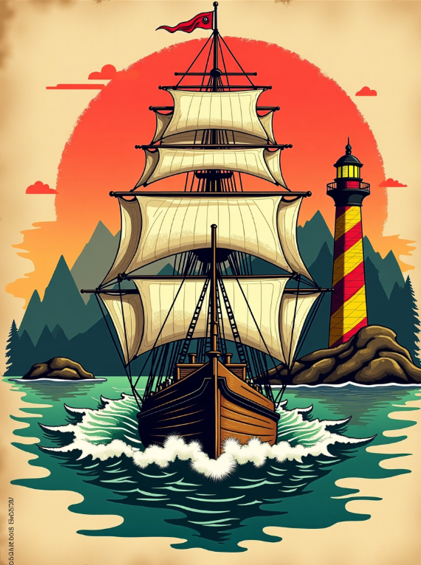
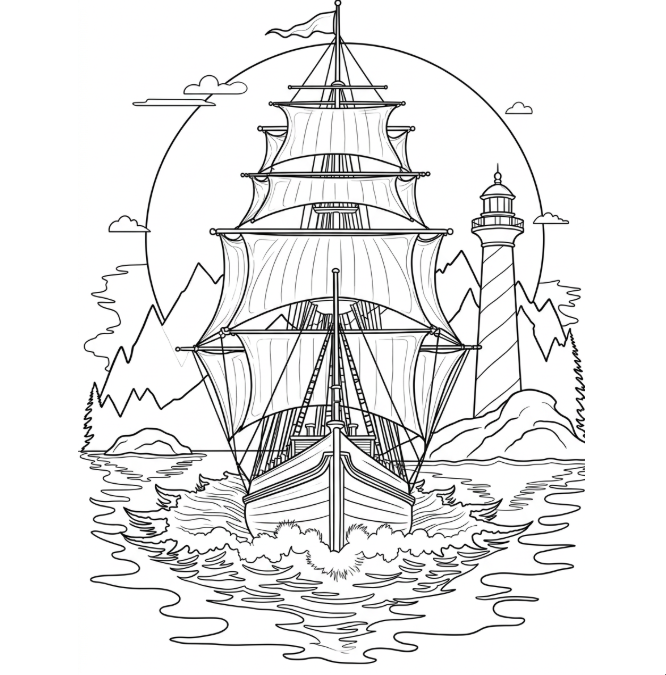
Japanese (Irezumi) tattoo stencil with AI
In about 30 seconds, no Photoshop. Free to try.
About japanese (irezumi) tattoo
Oriental (Irezumi, traditional Japanese) is the tattoo style with the most documented history — origins in Edo period rituals (1603-1868) codified by masters like Horiyoshi III. Visual language has strict rules: Horimono composition in flow (NEVER isolated elements — always connected by clouds, wind, water), codified iconography (rising koi symbolizes overcoming, dragon represents wisdom, oni is protective demon), bold sumi-black outlines, saturated color gradients (traditional red/orange/blue), use of negative space. Oriental stencil is COMPLEX — you tattoo entire sleeve or full back as ONE composed piece. Decalker preserves sumi-line structure; you apply color with bujinsho (gradient layered) on skin.
Defining characteristics
- ▸Bold sumi-black outline (calligraphic)
- ▸Horimono composition in flow (elements always connected)
- ▸Codified iconography (koi, dragon, oni, peony, snake)
- ▸Traditional color gradient (red, orange, blue)
- ▸Intentional use of negative space
- ▸Designed for full sleeve/back (rarely isolated)
How Decalker preserves the japanese (irezumi) linework
Use Decalker Anime style — bold line weight simulates sumi-black perfectly. For large pieces (sleeve, back), Decalker auto-resizes to 1024px longest dimension; for full piece in high resolution, generate in parts via Mix and compose in Photoshop. Traditional iconography is well-recognized by the model (koi, dragon come out with correct proportions).
Recommended Decalker style
Anime simulates calligraphic sumi-black line weight perfectly. Sketch would be too loose.
Japanese (Irezumi) tattoo artists use it for...
- 1.Full sleeve (koi + waves + peony layered composition)
- 2.Full back piece (oriental dragon or zen landscape)
- 3.Symbolic combinations (koi + samurai + snake)
- 4.Full sleeve cover-up (black density covers)
- 5.Memorial tattoo (family, ancestry)
Before-after examples